Magic Leap

Senior Director of UX Design (2016–2020)
At a Glance
Context
First-generation spatial computing platform combining new hardware, operating system, input methods, and core applications.
What I Was Brought In To Do
- Define a cohesive UX vision for an entirely new interaction paradigm
- Align teams across OS, input, applications, and hardware
- Help the organization transition from exploration to execution
What Changed
- Established shared interaction principles and design patterns
- Led UX for the operating system, core apps, and input models
- Used rapid prototyping to drive alignment and decision-making
Why It Matters
- Shipped a cohesive v1 spatial computing platform
- Reduced duplicated effort and improved cross-team alignment
- Created foundational UX patterns used across the platform

Context
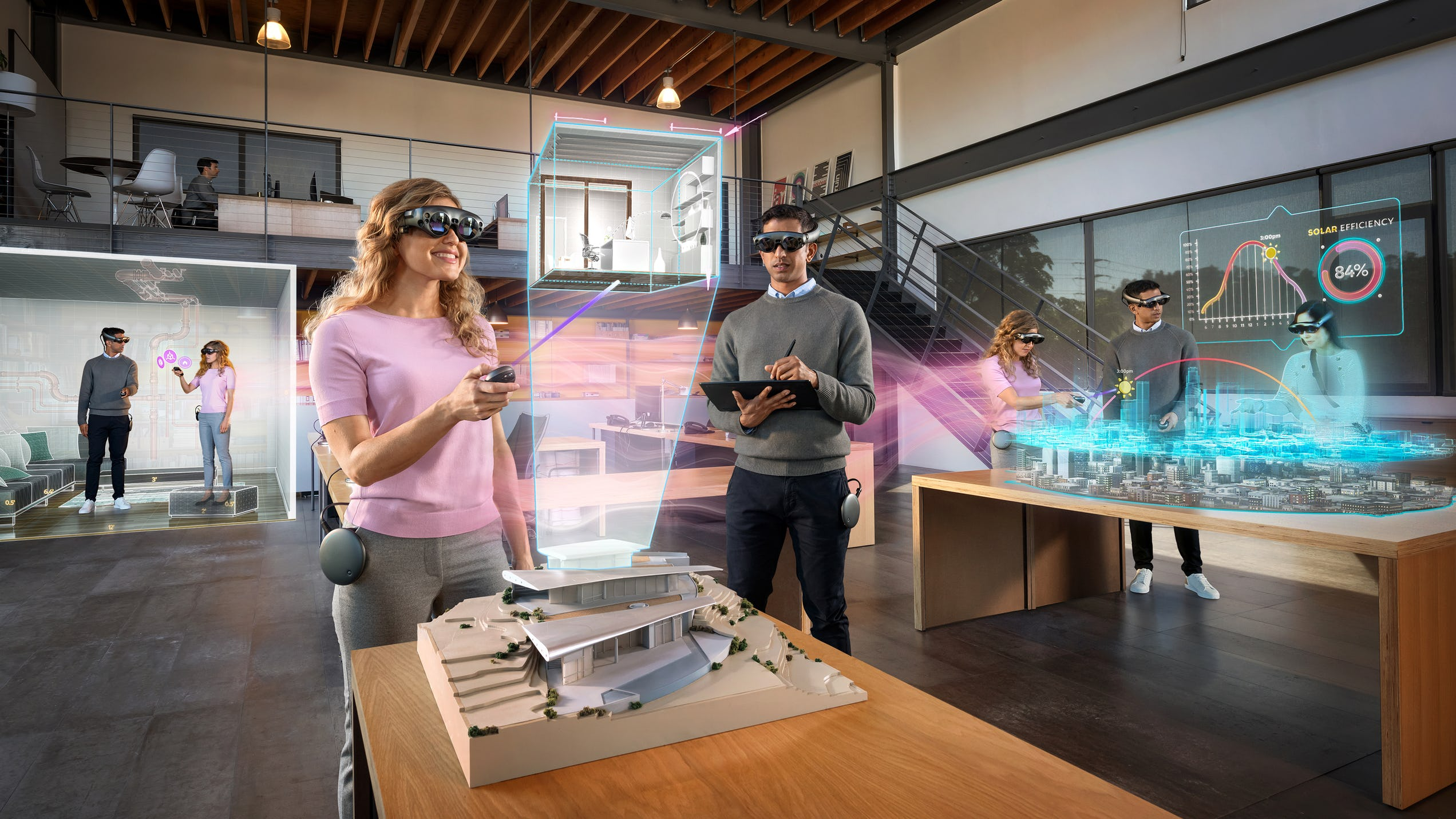
Magic Leap was building an entirely new spatial computing platform, combining novel hardware, a new operating system, input systems, and core applications. The company’s ambition was to define how people interact with digital content in the physical world with no established patterns, precedents, or user expectations.
I joined during a period of rapid growth and high uncertainty, as the organization moved from research and experimentation toward shipping a first-generation consumer platform.
The Problems That Mattered
The challenges at Magic Leap were fundamentally platform-level and systemic:
- Designing for an interaction paradigm that had no existing mental models
- Aligning dozens of teams working across hardware, OS, input, applications, and tools
- After our initial release the organization needed to transition from consumer focus to enterprise focused
- Translating advanced technology into experiences people could understand and use
- Balancing experimentation with the realities of shipping a cohesive v1 product
- Establishing design standards and shared patterns in a constantly evolving system
Success depended less on individual features and more on creating coherence across the entire platform.
My Role & Approach
As Senior Director of UX Design, I led large, multidisciplinary design teams responsible for:
My Focus was on:
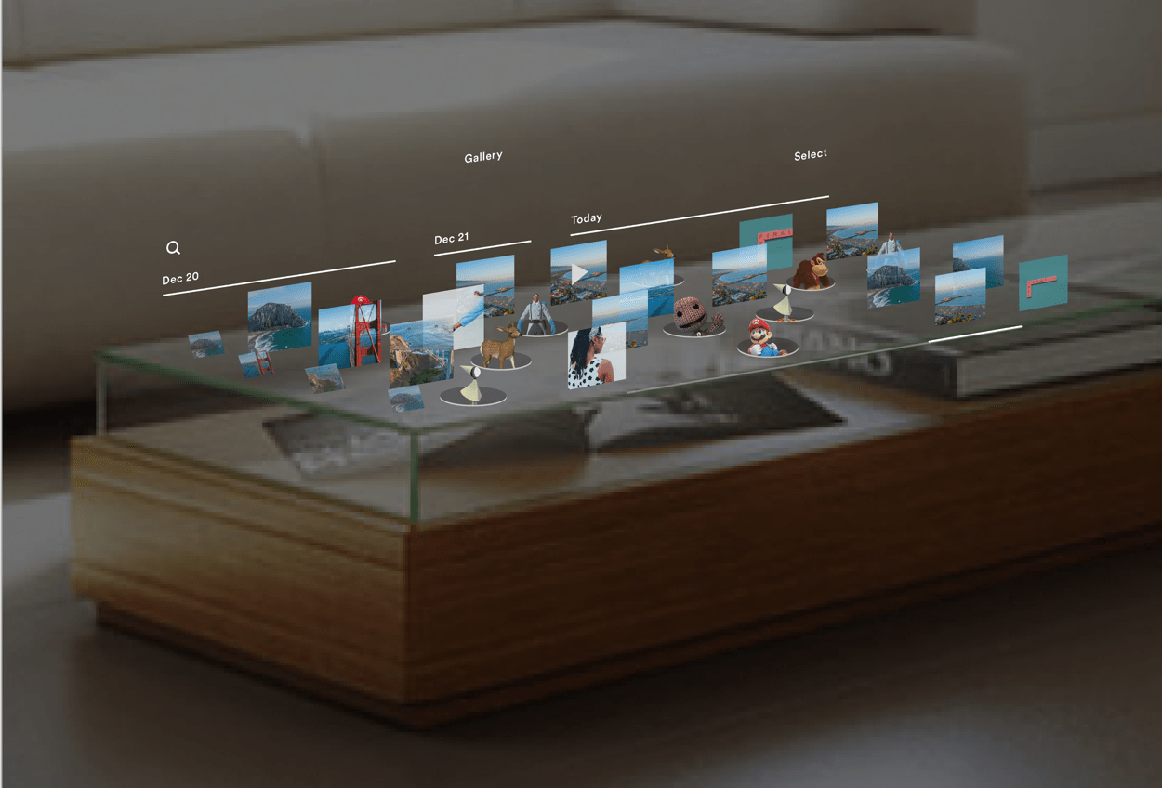
- The operating system experience
- Core system applications
- Input methods and interaction models
- Supporting mobile and companion experiences
My role was to establish shared principles, decision frameworks, and momentum to a highly ambiguous environment. I worked closely with product, engineering, research, and leadership to:
- Define a clear UX vision that teams could align around
- Establish shared interaction principles and design patterns
- Use rapid prototyping to test, learn, and discard ideas quickly
- Help teams make confident decisions despite incomplete information
I stayed close to the work while focusing on system-level cohesion, ensuring individual efforts contributed to a unified experience.
Key Initiatives
- Led design for the core operating system, developer and UI Kit as well as foundational applications
- Helped define and refine input and interaction models for spatial computing
- Established shared UI patterns and interaction guidelines across teams
- Used narrative-driven concept pitches and prototypes to align leadership and execution teams
- Scaled design processes to support a fast-growing organization without slowing innovation
- Establish and maintained a quality bar with shipping features including delaying some until that bar was met
- Establish and maintain long term vision yet balanced with practical and immediate deliveries that moved towards and evolved that goal
Impact & Results
- Shipped a cohesive first-generation spatial computing platform
- Created foundational UX patterns that multiple teams could build on
- Improved cross-team alignment and reduced duplicated effort
- Enabled faster iteration by clarifying decision frameworks and ownership
- Mentored new designer and design leaders on navigating start up challenges and the process leads to delivering a better product to the user
- Helped transition the organization from exploration toward execution
- Taught new members to be leaders and people managers with important skills
Reflection
Magic Leap reinforced the importance of design leadership at the system level. When building something entirely new, progress depends on clarity of vision, shared principles, and the ability to guide teams through uncertainty, moving quickly without over-prescribing solutions.
The work demonstrated how design can serve as connective tissue across technology, teams, and strategy, especially when the path forward isn’t obvious and the stakes are high.