Curity

Director of UX Design (2020–2023
At a Glance
Context
Healthcare software platform supporting clinical teams in delivering value-based care across patient records, scheduling, care coordination, and communication.
What I Was Brought In To Do
- Modernize aging clinical workflows without disrupting care delivery
- Establish a scalable design process and shared UX vision
- Align product, design, and engineering around long-term platform evolution
What Changed
- Introduced modern UX processes grounded in research and validation
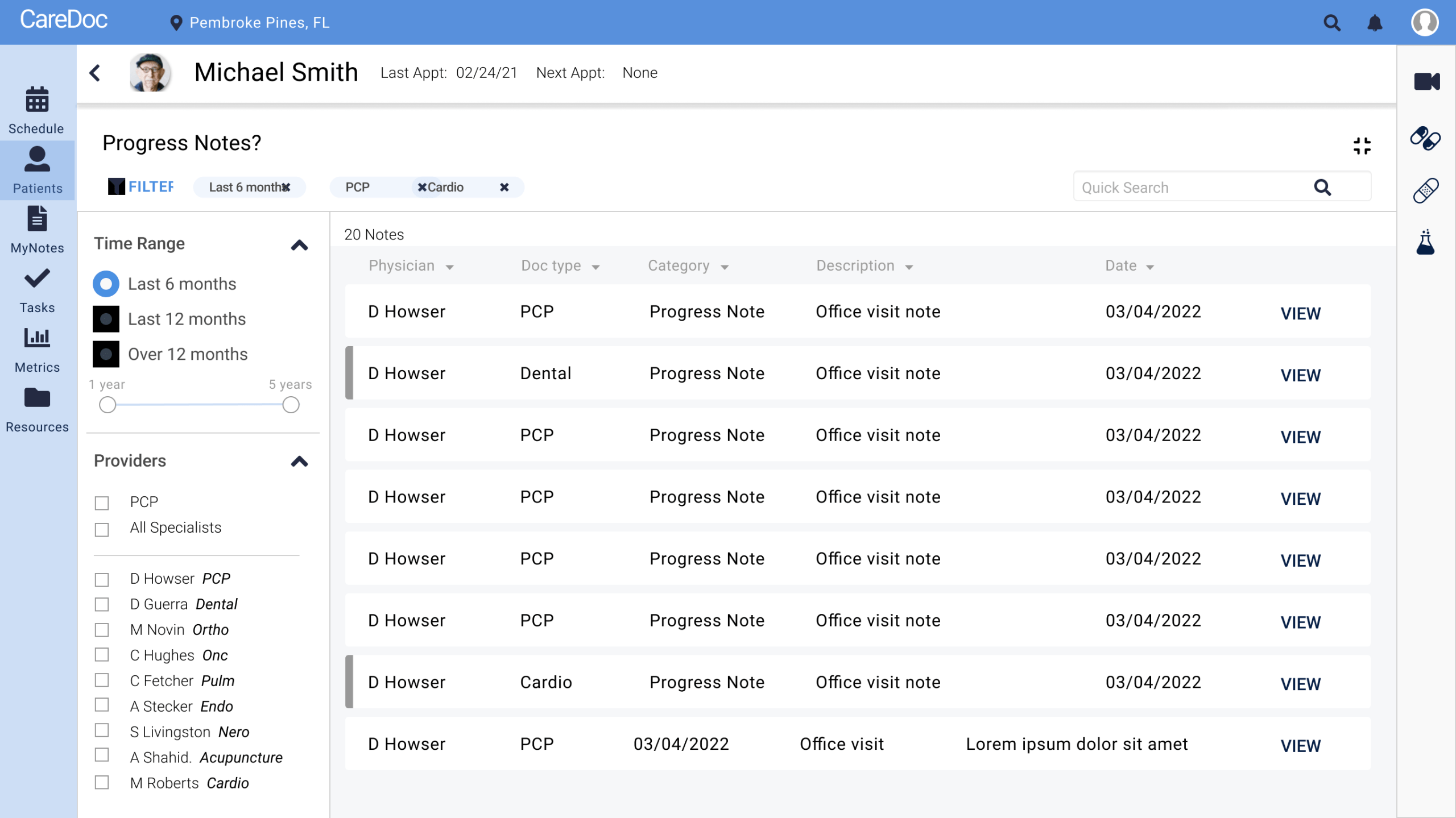
- Redesigned core workflows including scheduling, records, and care coordination
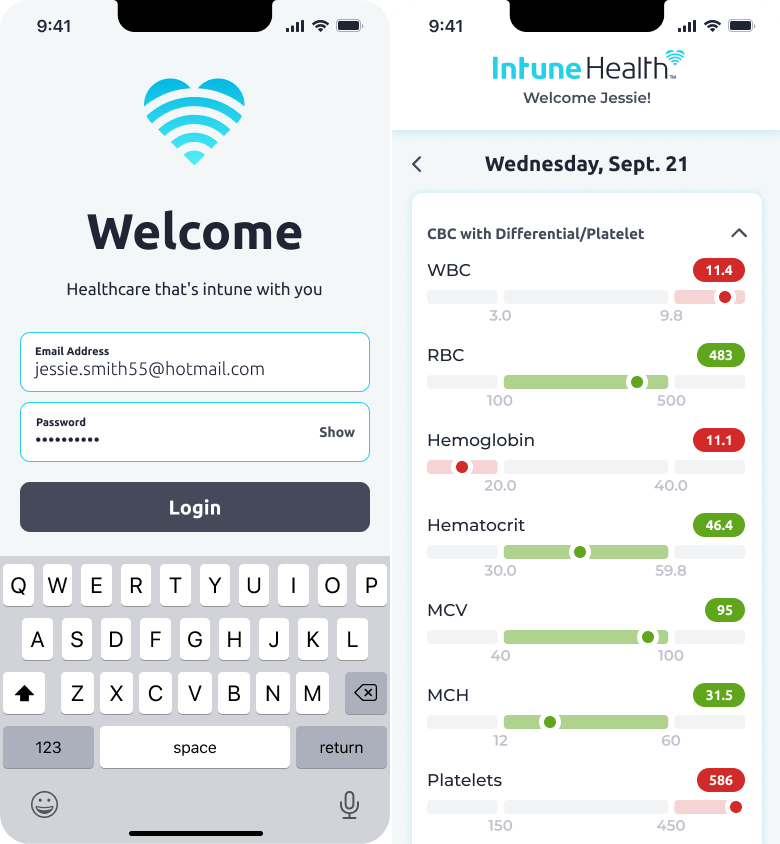
- Launched Curity’s first patient-facing mobile application
Why It Matters
- Improved usability and trust in critical clinical systems
- Enabled incremental modernization with reduced risk
- Positioned design as a strategic partner in product decisions

Context
Alteon is a cloud-based SaaS platform serving small to mid-sized creative teams in video post-production. The product enables secure media storage, review, approval, and collaboration across web, mobile, and integrations with professional video editing tools.
When I joined, Alteon had strong technical foundations but needed clearer product direction, stronger workflow cohesion, and a higher design quality bar to support growth and retention.
The Problems That Mattered
The challenge was not simply redesigning screens; it was modernizing a complex clinical system while the business and customers relied on it every day.
Key constraints included:
- Deeply embedded legacy workflows used by long-tenured clinical staff
- A lack of shared design standards or modern UX processes
- The need to ship improvements incrementally without disrupting care delivery
- Balancing near-term delivery with a longer-term vision for the platform
- Adding new opportunities for business revenue with a new virtual first care model and mobile app
Success required aligning design, product, engineering, and leadership around where the system was going, not just what feature shipped next.
My Role & Approach
As Director of UX Design, I was responsible for establishing both the design vision and the operating model to support Curity’s next phase of growth.
My focus was on:
- Creating a clear, shared product and UX vision
- Introducing modern design processes grounded in research and validation
- Defining systems and patterns that could scale across products
- Helping teams transition from reactive delivery to intentional product thinking
Rather than attempting a risky “big redesign,” we focused on progressive modernization, improving the system piece by piece while aligning each effort to a larger north star.
Key Initiatives
- Established a new design process that emphasized discovery, alignment, and iteration.
- Defined a cohesive UX vision for Curity’s clinical applications.
- Modernized core workflows including patient records, scheduling, and care coordination.
- Led the redesign of a long-standing calendar and scheduling system that had not meaningfully changed in over a decade.
- Launched Curity’s first patient-facing mobile application, expanding the platform beyond internal clinical tools.
- Partnered closely with product and engineering to prioritize work that delivered real clinical value.
Impact & Results
- Improved usability and clarity across key clinical workflows.
- Helped teams align around shared patterns, reducing fragmentation over time.
- Increased confidence in design as a strategic partner, not just a delivery function.
- Enabled incremental improvements that reduced risk while building momentum.
- Laid the foundation for continued modernization beyond initial releases and design process to maintain momentum.
- Added a new opportunity for aging seniors more comfortable with technology for a new virtual first model of healthcare.
Reflection
Curity reinforced the importance of designing systems, not just interfaces. In complex, regulated environments, progress depends on trust from users, stakeholders, and teams.
The work required patience, strong alignment, and the ability to hold both short-term delivery and long-term vision at the same time. By focusing on process, clarity, and shared ownership, we were able to move a legacy platform forward without losing the people who depended on it.